We know the feeling. Your child reaches for their favorite graphic novel instead of a chapter book, and you worry that they're settling for something … less. You worry that those graphic novels are a crutch: easy or fluffy content that might keep your child from engaging their imagination or reading on the appropriate grade level. At the same time, you don’t want to discourage your kid from reading.
So what do you do? Is it true that graphic novels are not as “good” or somehow “less” than chapter books?
The good news is that you’re not stuck with a false choice. There’s a more nuanced perspective and approach that embraces the overlooked value of graphic novels. Graphic novels can be a compliment to, rather than a distraction from, your child engaging chapter books.
Let’s start with the basics before we delve deeper.
What is the difference between graphic novels and chapter books?
What counts as a graphic novel? What makes it different from a chapter book? *
Both graphic novels and chapter books tell stories. The difference is right there in the name: graphic novels tell stories using graphic art AND words while chapter books primarily use words. Both tell a single story with a beginning, an end, and a plot that ties everything together. Both are anchored in characters that are complex and develop throughout the story. So, the difference is not in the kind of story told but in the form used to tell the story.
An illustration of the similarity and distinction between graphic novels and chapter books can be found in classic children stories that have been published in BOTH a traditional chapter book form and a graphic novel form. A great example is Anne of Green Gables.
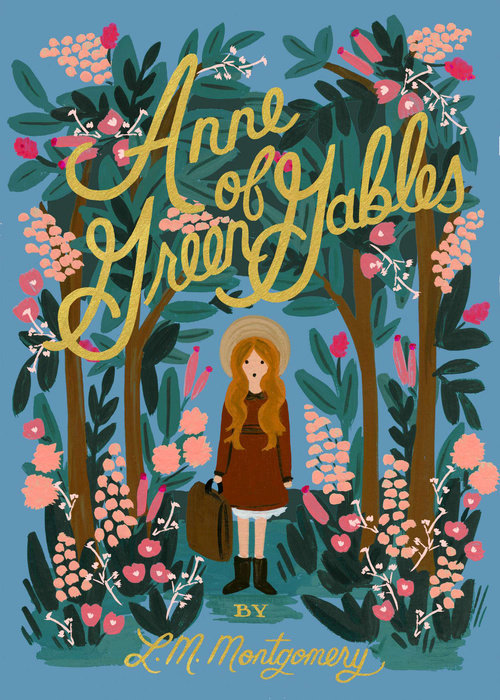
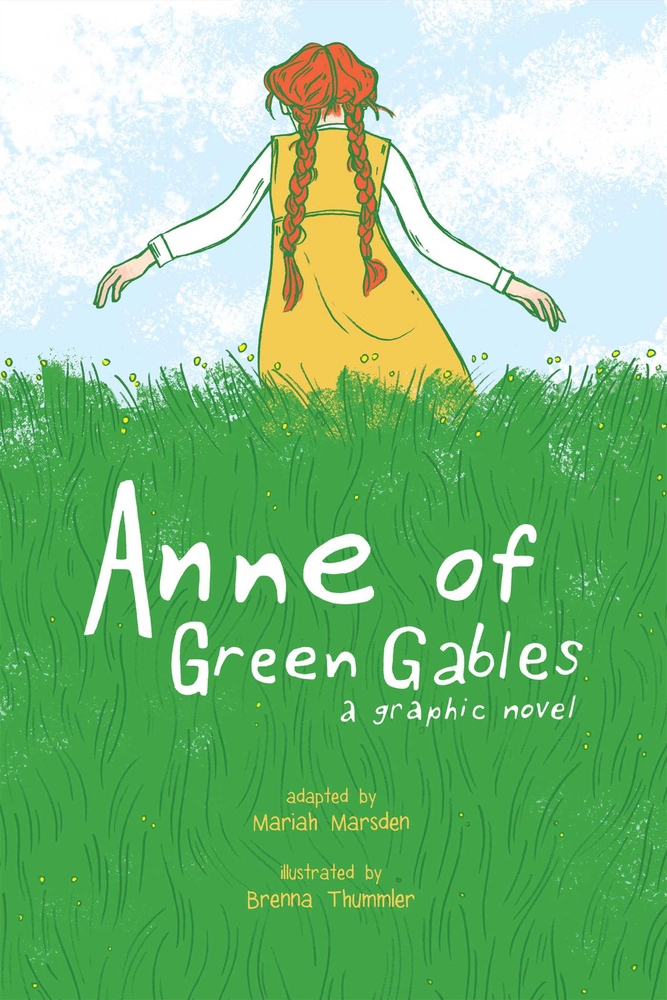
One thing you might notice from this example is that many of the descriptions of actions, feelings, or plot development have been “translated” graphically into illustrations when moving from the chapter book to graphic novel. It’s the same story, but the graphic novel is showing or conveying meaning through graphic art rather than telling or describing primarily with words.
Graphic novels themselves differ from each other in the amount of dialogue or narrative descriptions used throughout, but they are always conveying the story through sequential blocks of graphic art. In a graphic novel, just a few blocks that include facial expressions or thought bubbles can convey a level of meaning and story development that requires several paragraphs of description in a chapter book (which is why graphic novels of the same page length can usually be read much more quickly than a chapter book).
Is the term “graphic novel” simply another name for “comic book”?
The first time you heard about graphic novels, you probably made an immediate mental association with comic books. That makes sense. Comic books, comic book stores, and comic culture was ubiquitous for many of us as children and teens. Graphic novels, as a widely available and accessible story form, have exploded over the past decade, especially with stories written for kids.
While the story form is the same - i.e. the use of sequential boxes of graphic art to develop the story and convey meaning - the kind of story told is different. Comic books tell “serial” stories, which means that they are published as short-form pieces in separate periodicals. One issue is just a small part of a larger developing story, which are often perpetually open-ended, depending on the comic. But graphic novels tell one complete story. It’s like the difference between a ten part show on your streaming platform with separate fifty minute episodes, and a feature length film that might be two to three hours long.
Are “traditional” chapter books better than graphic novels?
As always, answering that question depends on what counts for you as “better.” In general, we believe that neither of these forms is superior to the other. They are simply different. They engage the reader's imagination in different ways, and we believe that each form of story telling is helpful and good for different reasons.
In short, the graphic novel form and the chapter book form are complimentary, not competitive, ways your child can engage stories through reading.
Both forms can work together in a balanced way as your reader grows, learns, and explores the world through reading. In fact, graphic novels can be critical for developing readers to increase their vocabulary and learn to follow complex story lines with complex characters.
The fact that graphic novels use both artistic representation and words can actually enhance your child’s development because it engages both the verbal and visual parts of the brain. That means by reading graphic novels, your child is developing capacities that include literacy and also expand into other visual artistic fields, storytelling, and self expression.
Additionally, graphic novels can function as great bridges for reluctant readers who feel overwhelmed by chapter books. They are also a great format for children who have reading challenges like dyslexia or are English Language learners.
What if you’re worried about your child ONLY reading graphic novels?
Here’s the bottom line: we believe the best thing you can do is celebrate the joy of reading and stories with your child, even when your child shows a preference for graphic novels.
The good news is that your approach doesn’t have to be either/or. You can celebrate reading and engage with your child as they read graphic novels WHILE ALSO gently encouraging them to explore chapter books in ways that emphasize the beauty and value of all story forms.
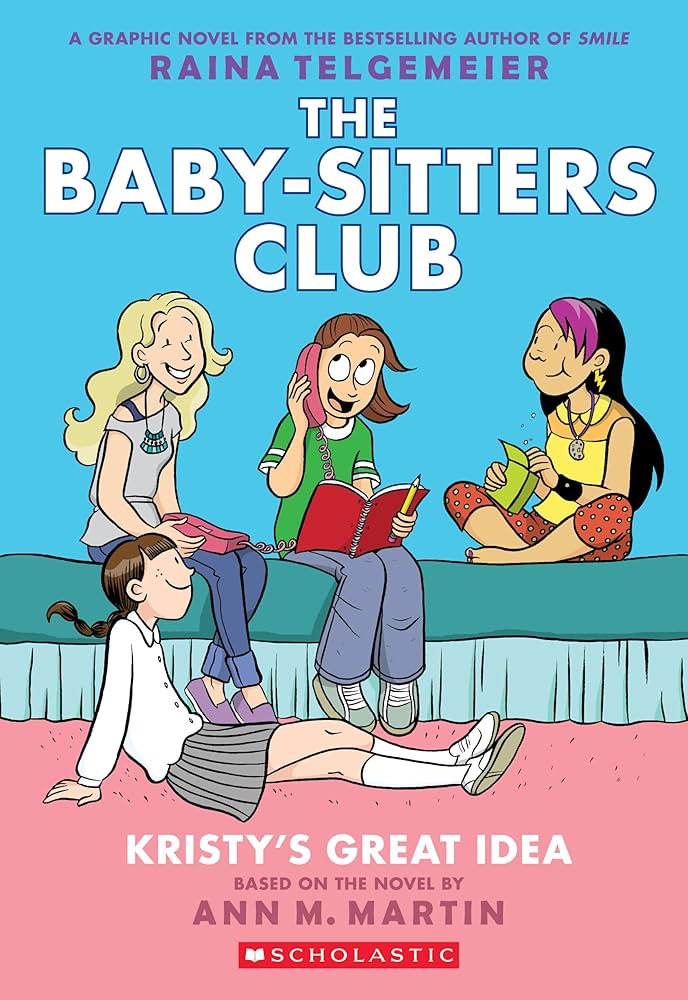
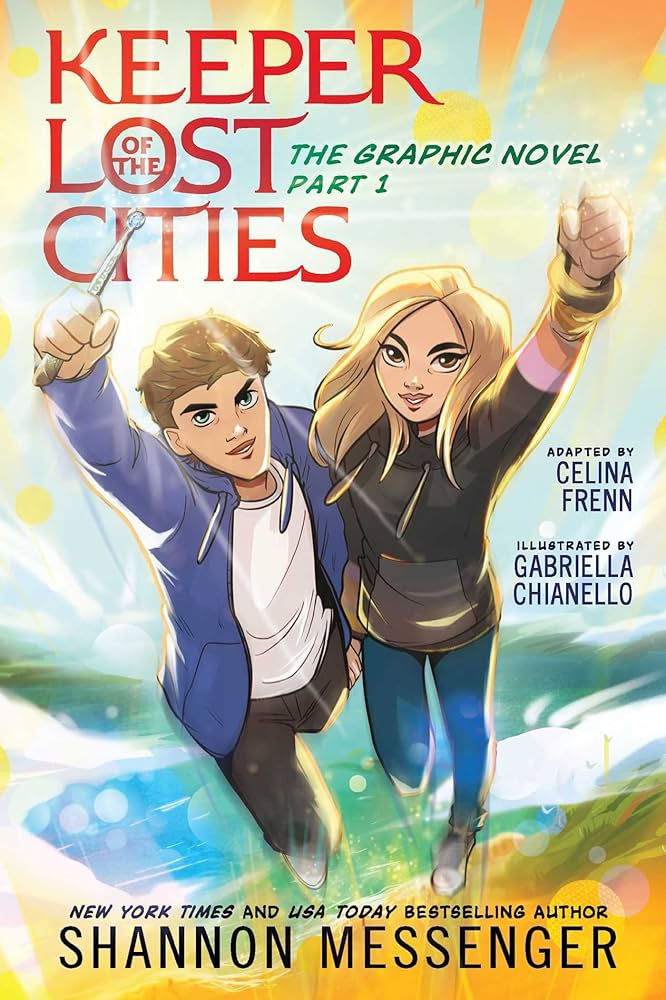
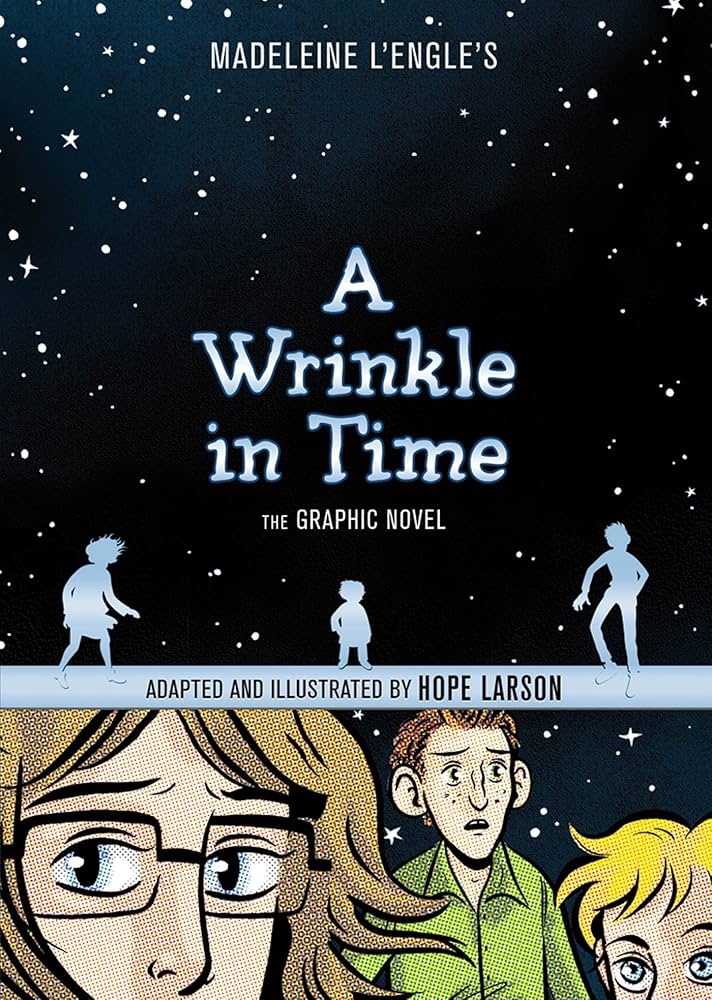
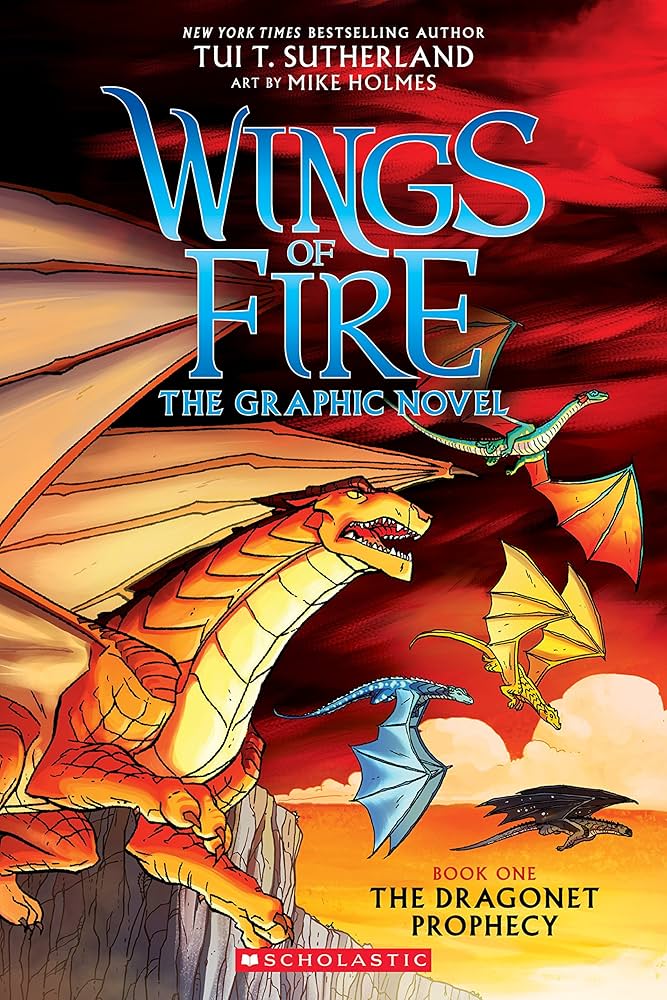
Here are a few examples of books that come in both graphic novel and chapter book form:
* heads up: our friends over at Bakken Books wrote an article not too long ago that details many of the differences between graphic novels and chapter books. Check out their article in addition to what we have here.